Pools Built for Alabama Heat and Fast Installation
Fiberglass Pool Installation in Florence for Homeowners Who Want Durable, Low-Maintenance Surfaces That Handle Summer Heat
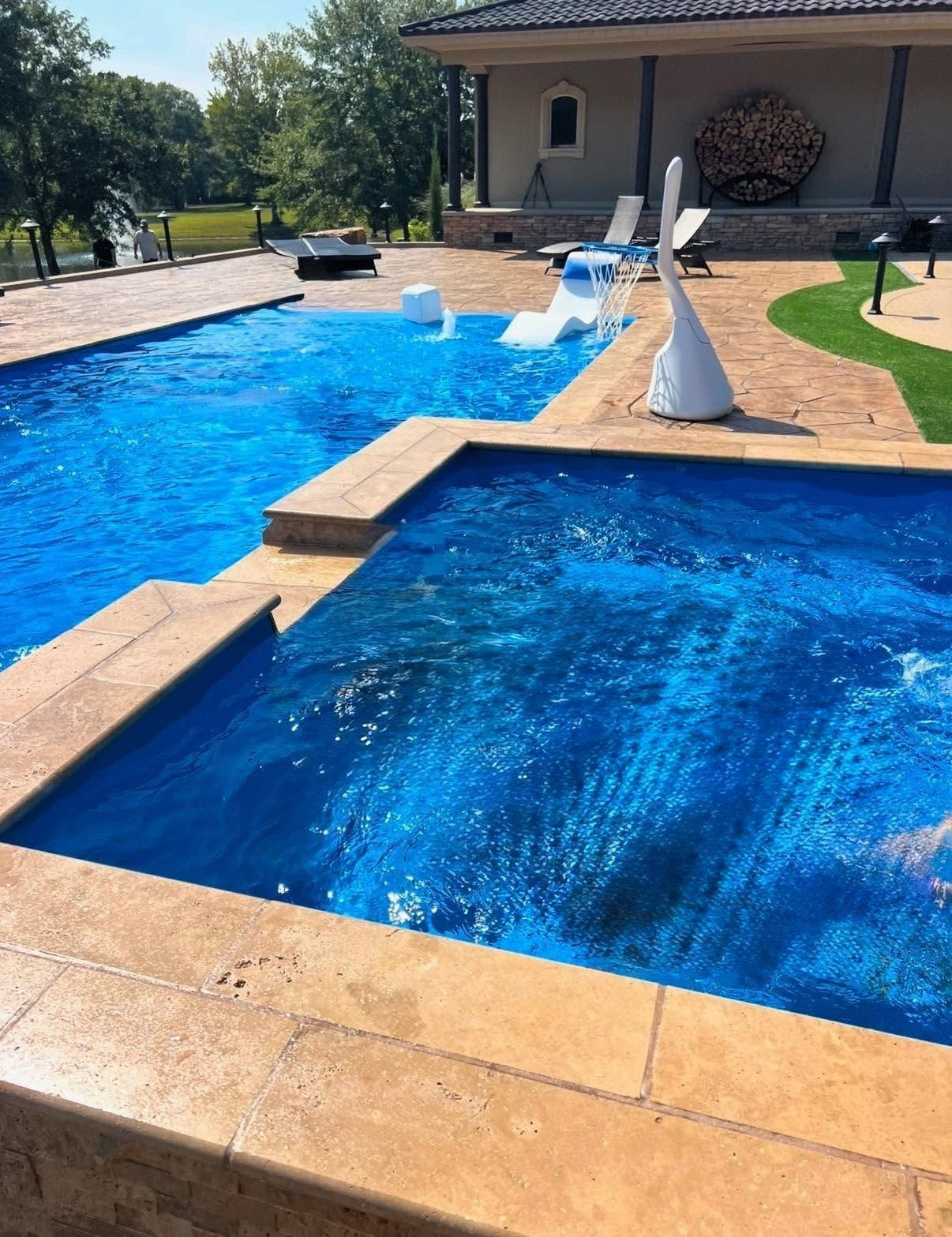
G&G Pools installs fiberglass pools across Florence and Muscle Shoals with equipment sizing matched to pool volume and plumbing specifications that account for long-term performance. The fiberglass shell resists Alabama's heat and humidity better than vinyl alternatives, which matters when summer temperatures consistently push past 90 degrees and surface degradation becomes a maintenance issue. You're looking at a faster installation timeline than vinyl or concrete and a finish that won't require replacement every decade.
Fiberglass installation involves setting a pre-manufactured shell into prepared ground, connecting plumbing lines to equipment sized for the specific pool volume, and backfilling with material that prevents shifting. The shell arrives as a single piece, which eliminates seams where leaks develop and reduces the number of steps between excavation and water fill. This approach cuts installation time significantly compared to methods that require on-site construction of the pool structure itself.
Schedule a property evaluation to confirm site access for shell delivery and review equipment options for your pool size.
What Fiberglass Resists That Vinyl Doesn't
The fiberglass shell is manufactured in controlled conditions and arrives with a gel-coat finish already cured, which means the surface quality doesn't depend on field installation variables like temperature or humidity during application. Equipment selection focuses on pump and filter sizing that matches the pool's water volume, and plumbing specifications ensure flow rates support proper filtration without overworking the system. Proper equipment sizing prevents early motor failure and maintains water clarity without excessive chemical use.
Once installation finishes, you'll notice the surface feels smooth without the texture of vinyl seams or the roughness of concrete. The shell won't fade under direct sun exposure the way vinyl liners do after five or six Alabama summers, and algae doesn't adhere to the gel-coat finish as easily, which reduces brushing and chemical treatments. The pool holds its shape without relying on water pressure to maintain structure, so you can drain it for inspection or repair without risking collapse.
Installation includes setting the shell level in excavated ground, connecting plumbing to equipment pads positioned for service access, and backfilling around the shell with gravel or sand that compacts evenly. The process doesn't include custom shapes that deviate from manufacturer molds, so design options are limited to available shell configurations, but installation speed and surface durability offset that constraint for most residential properties.
What Homeowners Ask Before Choosing Fiberglass
Installation timelines and site requirements vary depending on access and soil conditions, so these questions address the most common concerns about fiberglass pool installation in the Tri-Cities area.
How long does fiberglass pool installation take from excavation to water fill?
Installation typically completes within one to two weeks once the shell arrives on-site, compared to three to four weeks for vinyl liner pools that require custom fabrication and on-site assembly. Weather delays and equipment delivery can extend timelines, but the fiberglass process eliminates the curing time required for concrete or the precise measurement phase needed for vinyl liner fitting.
What happens if the fiberglass shell cracks after installation?
Fiberglass shells crack if ground settlement occurs unevenly or if the backfill material compacts improperly during installation, but cracks can be repaired with fiberglass patch kits and gel-coat refinishing without replacing the entire shell. Proper ground preparation and even backfill distribution during installation prevent most cracking issues, and the shell's flexibility allows it to absorb minor ground movement without failing.
Can a fiberglass pool handle Florence's summer heat without fading?
The gel-coat finish on fiberglass shells resists UV degradation better than vinyl liners, which typically show fading and brittleness after five to seven years of direct sun exposure in Alabama heat. You won't need to replace the surface periodically, and the shell maintains its color and smoothness without annual refinishing or patching.
What size equipment do you install for fiberglass pools?
Pump and filter sizing depends on the pool's water volume, with flow rates calculated to turn over the entire pool volume within eight to twelve hours for proper filtration. Undersized equipment runs constantly and wears out faster, while oversized pumps waste energy without improving water quality, so equipment selection matches the specific shell dimensions and plumbing layout.
Does the fiberglass shell require special ground preparation in Muscle Shoals?
Installation requires stable, level ground with proper drainage to prevent water from pooling under the shell, which can cause flotation during heavy rain if the pool is empty. Soil conditions in the Florence and Muscle Shoals area vary, so ground assessment determines whether additional gravel base or drainage lines are necessary before setting the shell.
G&G Pools sizes equipment to match your pool volume and installs fiberglass shells with plumbing specifications that support long-term performance across Florence and the Tri-Cities region. Request a detailed estimate based on your property's site conditions and preferred shell configuration.