
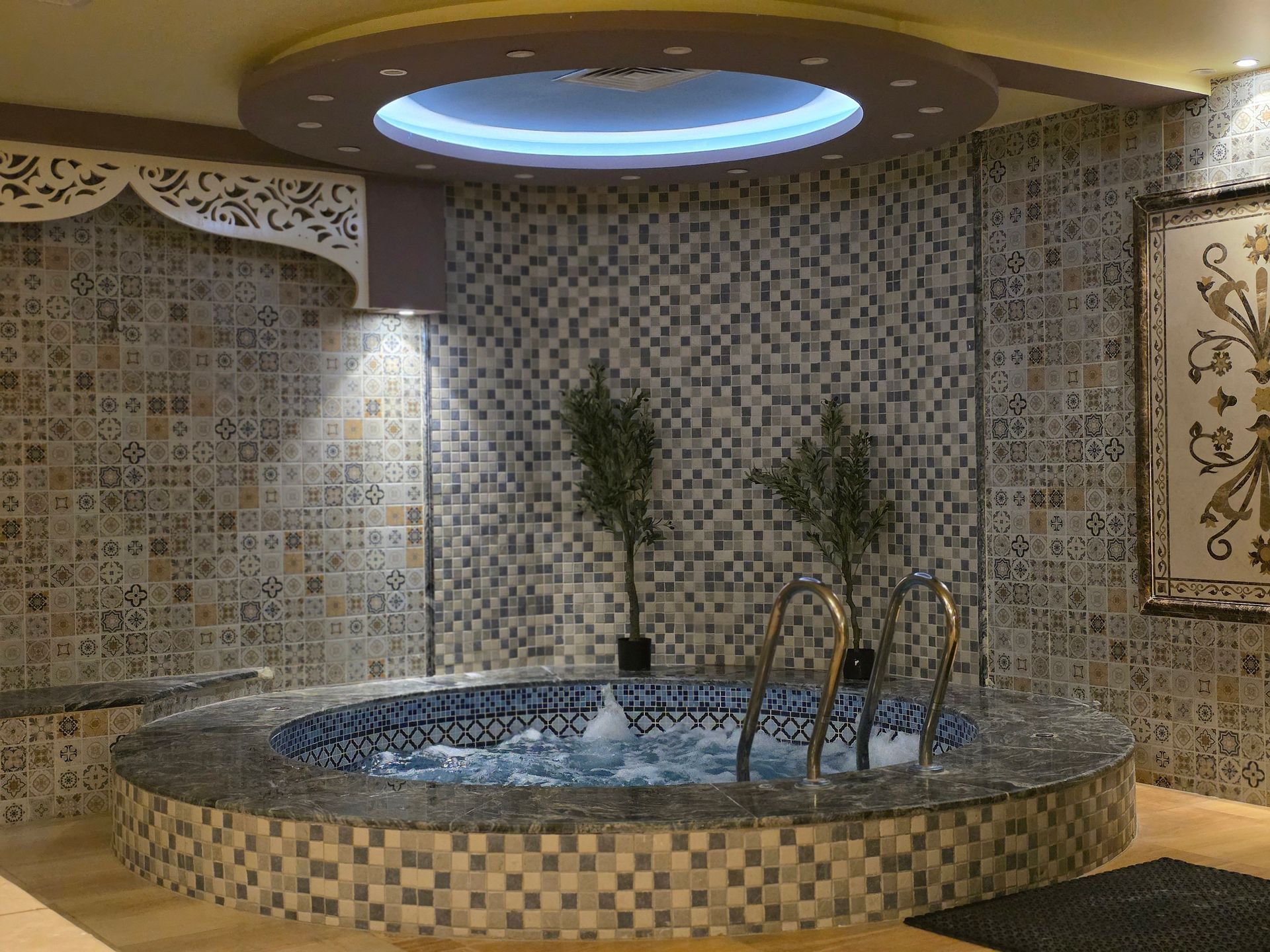
Spa Combos That Maximize Backyard Space
Inground Spa and Hot Tub Combo Installation in Florence for Properties Where Separate Plumbing Integration and Heating System Sizing Support Year-Round Use
Integrated inground spas share equipment and plumbing with the main pool, but heating system sizing and separate circulation controls determine whether the spa heats efficiently without overworking the pool's filtration system. G&G Pools installs spa and hot tub combos in Florence and Muscle Shoals with equipment specifications that allow independent temperature control and plumbing integration that prevents heat loss through shared lines. Tri-Cities winters make spa heating a primary consideration, and proper system sizing ensures the spa reaches usable temperature within a reasonable timeframe without running the heater constantly or affecting the pool's water chemistry.
Combo installation includes excavation for both pool and spa, plumbing lines that connect the spa to the main equipment pad with valves that control flow direction, and heating system sizing that accounts for the spa's smaller water volume and faster heat loss. Equipment brand selection affects heating efficiency and how long components last under the increased demand of maintaining two separate temperatures. Finish coordination between the pool and spa ensures visual consistency and determines surface durability under higher spa water temperatures.
Schedule a property evaluation to confirm equipment placement and review heating options for your spa and pool combination.
How Separate Plumbing Integration Works
Spa combos require valves that direct water flow either to the spa for heating and jet circulation or back to the main pool for filtration, and improper valve positioning causes heat to escape into the pool before the spa reaches temperature. Heating system sizing depends on the spa's water volume and surface area, with undersized heaters taking too long to reach usable temperature and oversized units cycling on and off inefficiently. Equipment includes pumps sized for both spa jet pressure and pool filtration, with separate controls that allow the spa to operate independently without affecting the pool's circulation schedule.
After installation completes, the spa heats to the set temperature within thirty to sixty minutes depending on starting water temperature and heater capacity, and jets provide consistent pressure without cavitation noise that indicates air in the lines. The spa maintains its temperature independently from the pool, and switching between spa and pool operation happens through valve controls without requiring manual plumbing adjustments. Water chemistry stays balanced between the two bodies of water despite temperature differences, and the shared filtration system handles debris load from both without requiring more frequent backwash cycles.
Installation includes spa excavation adjacent to the pool, plumbing integration with valves that control flow direction, heating system sizing for the spa's volume, and finish application that coordinates with the pool's surface. It doesn't include fully separate equipment systems that allow simultaneous pool and spa operation at different temperatures, custom water features that add separate circulation requirements, or automation systems beyond basic valve controls and heater thermostats.
Common Questions About Spa Combos
Inground spa combos add year-round functionality to pool installations, so these questions address heating, plumbing integration, and operation specifics for the Florence area.
Can the spa heat independently from the pool?
Spa combos with separate circulation valves allow the spa to heat without circulating water through the entire pool, which reduces heating time and energy cost. The shared plumbing system requires valve adjustments to direct flow to the spa for heating, and once the spa reaches temperature, valves can be repositioned to resume pool filtration.
How long does it take for an inground spa to heat in Muscle Shoals winters?
Heating time depends on the spa's water volume, starting temperature, and heater capacity, with most residential spas reaching 100 degrees from 70-degree starting temperature within thirty to sixty minutes. Smaller spas heat faster, and insulated covers reduce heat loss between uses, which shortens reheat time and lowers operating cost during colder months.
What equipment do you install for spa and pool combos?
Equipment includes a pump sized for both spa jet pressure and pool filtration, a heater with capacity matched to the spa's volume, and valves that control whether water flows to the spa or back to the pool. G&G Pools selects equipment brands that provide the necessary capacity without oversizing, which reduces energy waste and extends component lifespan.
Does adding a spa increase pool maintenance?
Spa combos share filtration and chemical treatment with the main pool, so maintenance frequency stays similar, but the spa's higher operating temperature can accelerate chemical depletion and require more frequent testing. Water chemistry adjustments affect both the spa and pool since they share the same water supply, and proper circulation scheduling prevents localized chemical imbalances.
Can you install a spa combo on properties with limited backyard space in Florence?
Spa combos integrate with the pool footprint and take up less space than separate standalone spas, which makes them practical for smaller lots where a detached spa and pool wouldn't both fit. The spa typically sits adjacent to the pool with a shared wall, and the combined excavation footprint is only slightly larger than a pool-only installation.
G&G Pools installs inground spa and hot tub combos with heating system sizing and plumbing integration that support year-round use across Florence and Muscle Shoals. Request a detailed estimate that includes equipment specifications and finish coordination for your spa and pool combination.